
Skip to content

What is fire retardant treated wood?

Fire retardant treated wood, also known as fire rated wood or fire impregnated wood, is wood material that has undergone a treatment to improve its fire resistance properties. The treatment is aimed at reducing the ability of wood to burn and contribute to the spread of fire, as well as to reduce the development of smoke and the release of dangerous gases.

To achieve fire-retardant properties, various methods and treatments can be used. The most common methods involve chemical treatment and modification of the surface layer of wood.

  1. Chemical treatment:
    A common method is that the wood is treated with fire retardant chemicals, also called fire retardants. These chemicals are applied to the surface of the wood or injected into the cell structure of the wood to alter its flammability. The fire retardants work by delaying or preventing the wood from igniting and burning, as well as reducing the spread of the fire.
  2. Modification of the surface layer:
    Another method involves modifying the surface layer of the wood to improve its fire resistance. This may involve the application of fire-retardant coatings or boards that protect the wood surface and prevent the fire from spreading.

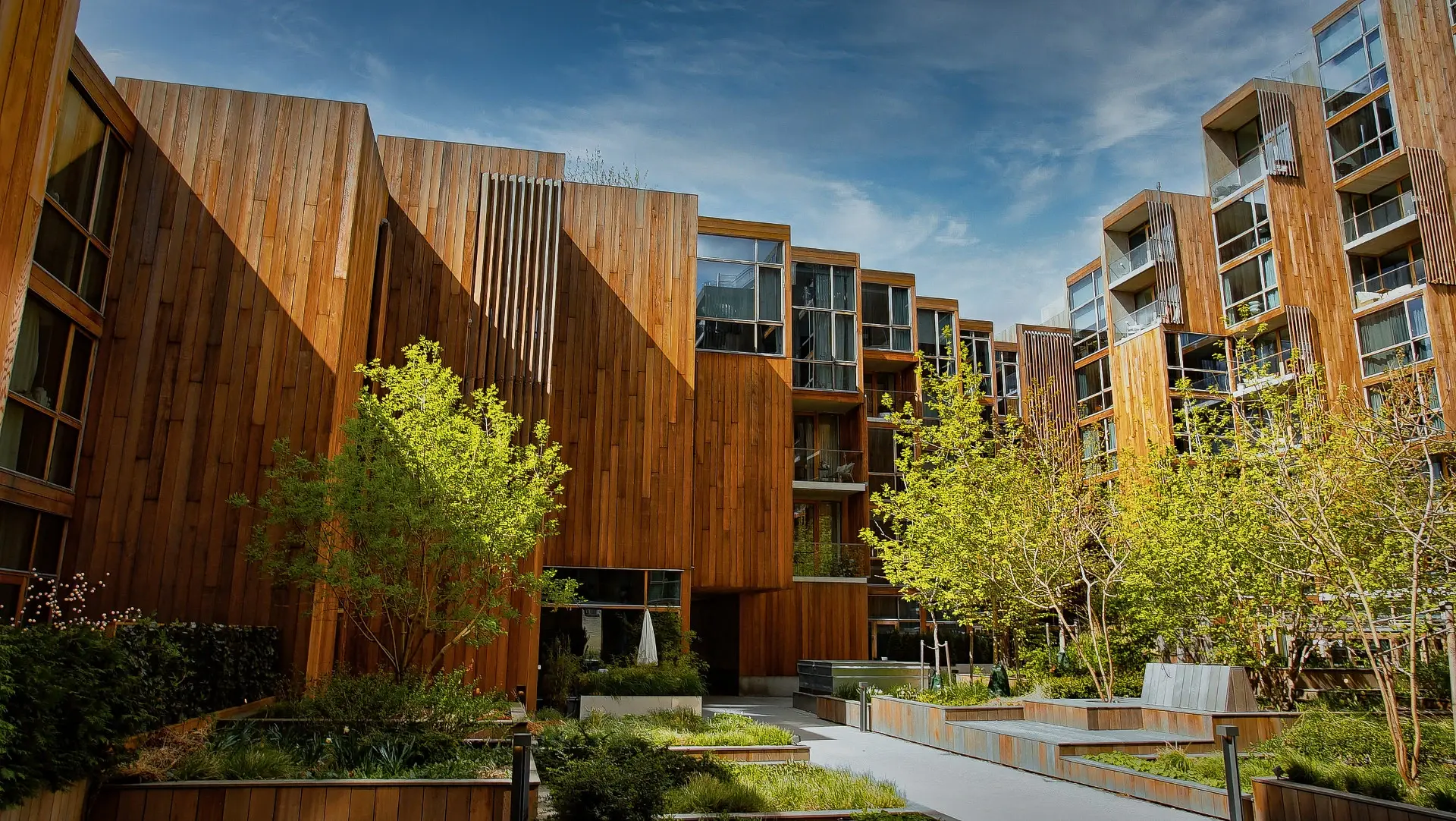
The fire-retardant wood can be used in various building structures and applications where increased fire safety is required. It can be used for interior decoration, wall coverings, floors, ceilings, doors and other wooden products that need to be protected from fire.

It is important to note that fire-retardant treated wood materials have specific classifications and certifications indicating their fire resistance characteristics. These classifications are determined by tests and assessments according to international standards and building regulations. It is important to follow these classifications, and use fire retardant treated wood in accordance with the recommended guidelines to ensure adequate fire protection and safety.
wstp_79P_1920_2

What is important to consider when selecting fire protection treatment?

  • 1Fire protection treatment performance:
    By choosing a fire protection treatment with a documented use class according to EN 16755, you obtain documentation demonstrating that the durability of the fire protection has been verified in accordance with the standard’s test methods and specified conditions of use.
  • 2Manufacturer's recommendations:
    It is important to follow the manufacturer's recommendations regarding the use and maintenance of fire-treated wood. The manufacturer may provide specific guidance on the expected lifetime of treatment and any re-treatment that may be required in specific situations.
  • 3Certifications and certificates:
    When choosing a fire protection treatment, it is good to check that it has the relevant certifications and certificates that prove its performance and durability over time. These may be certificates from independent third-party organizations confirming that the treatment meets the standards and is type-approved.

How does Woodsafe Timber Protection AB work with fire retardant treated wood?

The durable fire impregnation from Woodsafe Timber Protection AB is an effective treatment that improves the wood's natural fire resistance. The treatment is adapted for different wood species and meets relevant fire classes such as SP-Fire 105 and Euroclass B-s1,d0 (-s2) and type-approved according to EN 16755.

An important difference between WOODSAFE® and fire retardant paint is that WOODSAFE® does not create a surface coating on the wood surface. Instead, the impregnation penetrates deep into the wood and improves its properties. With WOODSAFE®, you get fire protection on all six sides of the wood, while fire retardant paint only provides a surface layer on the painted surface. This means that if the wood panels are mounted sparsely, the edges must also be painted, and if the panel is mounted sparsely with an accessible back, the back must also be painted. With WOODSAFE®, you always get in-depth fire protection on all sides.

Woodsafe also has a focus on sustainability, and their factory is powered by CO2-neutral resources such as wood pellets and solar energy. They have also implemented energy-saving measures to reduce their environmental impact.

  • Fire protection penetrates deep into the wood
  • The wood species becomes fire retardant
  • Fire protection applies to all six sides of the wood
  • Requires no additional fire protection
  • Type-approved system and CE certified
  • Offers experienced and expert support
  • Complete documentation for final inspection
  • Does not increase corrosion
  • Retains the strength of wood
  • Does not increase moisture absorption
  • Approved and suitability-tested properties for exterior application according to EN 16755 EXT