
Skip to content

Contractor

Here you'll find useful information for builders and contractors in various fields. Click the buttons below to learn more.

Proper execution ensures verified functionality

Proper installation ensures verified performance

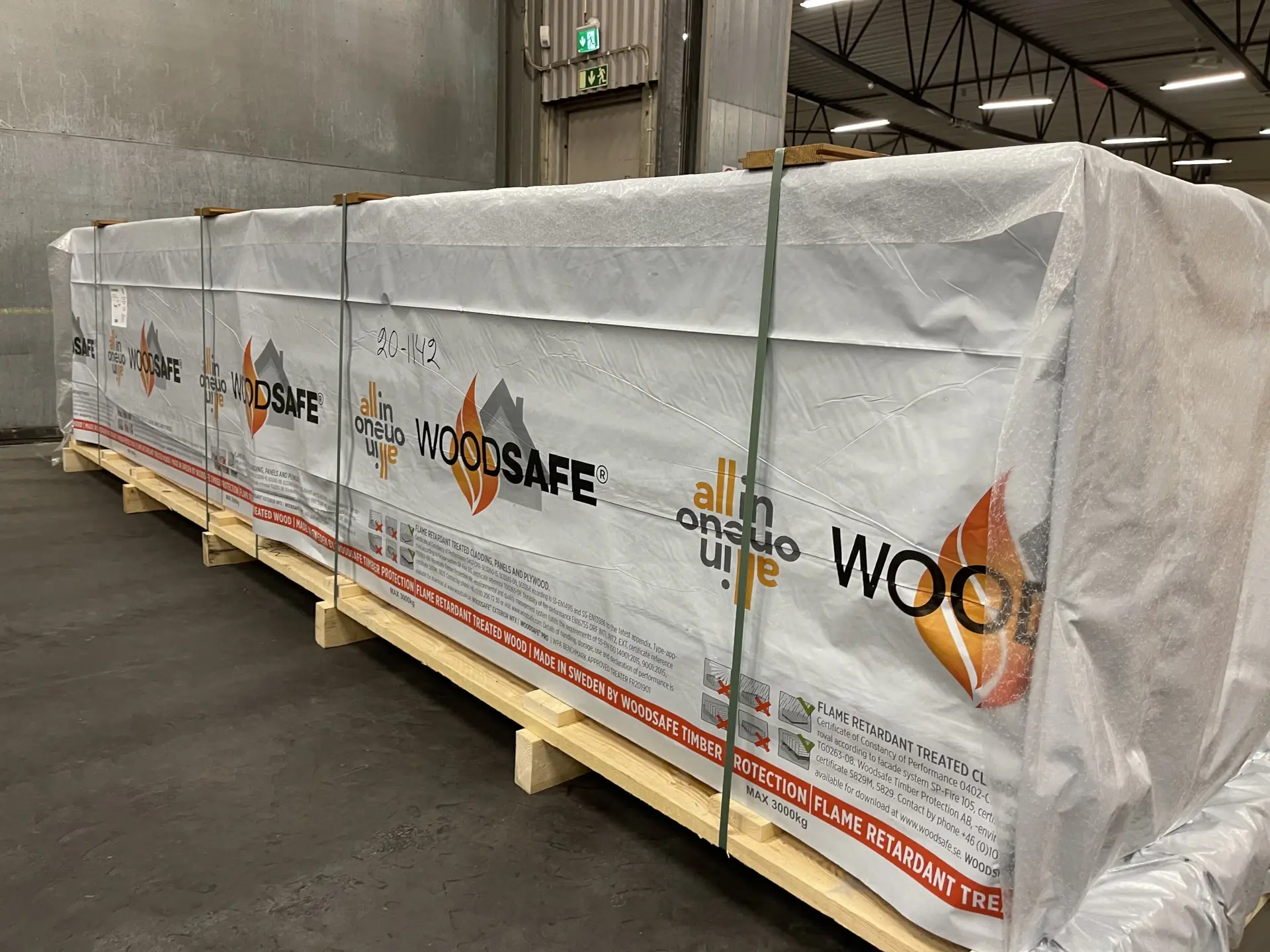
Fire-retardant-treated wood is handled essentially the same way as other structural and exterior wood. To ensure that the documented fire performance remains valid in the finished building, it is important that the material is handled, processed, and installed in accordance with the design documents and Woodsafe’s instructions. Always verify that the delivered material conforms to the project specifications before installation begins.

If defects, damage, or other discrepancies are discovered, contact the supplier before installing the material or taking any action on your own.For facade projects, it is important to follow the tested and documented design. Air gaps, fasteners, insulation, panel design, and other construction details may be part of the verified facade system and should therefore be executed according to the design documents.

Proper handling, installation, and documented traceability lay the groundwork for an efficient construction process and a final result that meets the project’s requirements. Woodsafe is happy to provide technical guidance throughout the entire construction process—from delivery and installation to the completed and verified building.
IMG_0358

The Contractor's Responsibilities

It is not always the contractor who chooses the technical solution—but it is the contractor who is responsible for ensuring that it is carried out in accordance with the project documents and applicable requirements.

In most construction projects, architects, fire safety consultants, and structural engineers are responsible for designing and specifying the fire safety solutions. When the project moves from the design phase to production, it is the contractor’s responsibility to ensure that the correct products are used, that they are installed according to the drawings, and that the necessary documentation is available for inspection and verification.

This includes, among other things:

  • Ensure that the correct fire-resistant product is used in accordance with the design documents,
  • Verify that the material meets the required fire rating, type approval, or other relevant documentation,
  • Verify that the product is intended for the specific operating environment, for example, by means of a documented use class where required,
  • Ensure that installation and construction are carried out in accordance with the manufacturer's instructions and the project's technical specifications,
  • Maintain the product's traceability and documentation throughout the entire project,
  • Provide the necessary documentation for technical consultations, the inspection plan, self-inspections, and the final approval.

Pre-installation inspection is crucial

If materials are replaced, dimensions are changed, or construction is carried out in a manner other than that specified in the design documents, this may affect the verified fire performance, fire rating, any facade approvals, and the product’s documented scope of use or use class. It is therefore important that the contractor, before installation begins, ensures that the delivered materials comply with the project documents and associated technical documentation.

The contractor should also verify that the delivery is correct, undamaged, and meets the requirements of the order. If errors, deviations, or suspected defects are discovered, the supplier must be notified immediately and given the opportunity to assess and address the situation before the material is installed or any independent measures are taken.

This applies even if the contractor assesses that the deviation may result in increased costs, delays, or other consequences for the project. Any changes, repairs, additions, or other actions carried out without the supplier’s knowledge or approval may affect the product’s documented properties and, at the same time, complicate the assessment of liability, functionality, and any warranty obligations.

Woodsafe’s documented traceability and technical documentation make it easier to verify that the correct materials are used in the correct construction and that the finished solution complies with the designed requirements and verified fire performance.

The Workflow in Practice

A logistics system that works for both small-scale construction projects and large-scale construction projects.

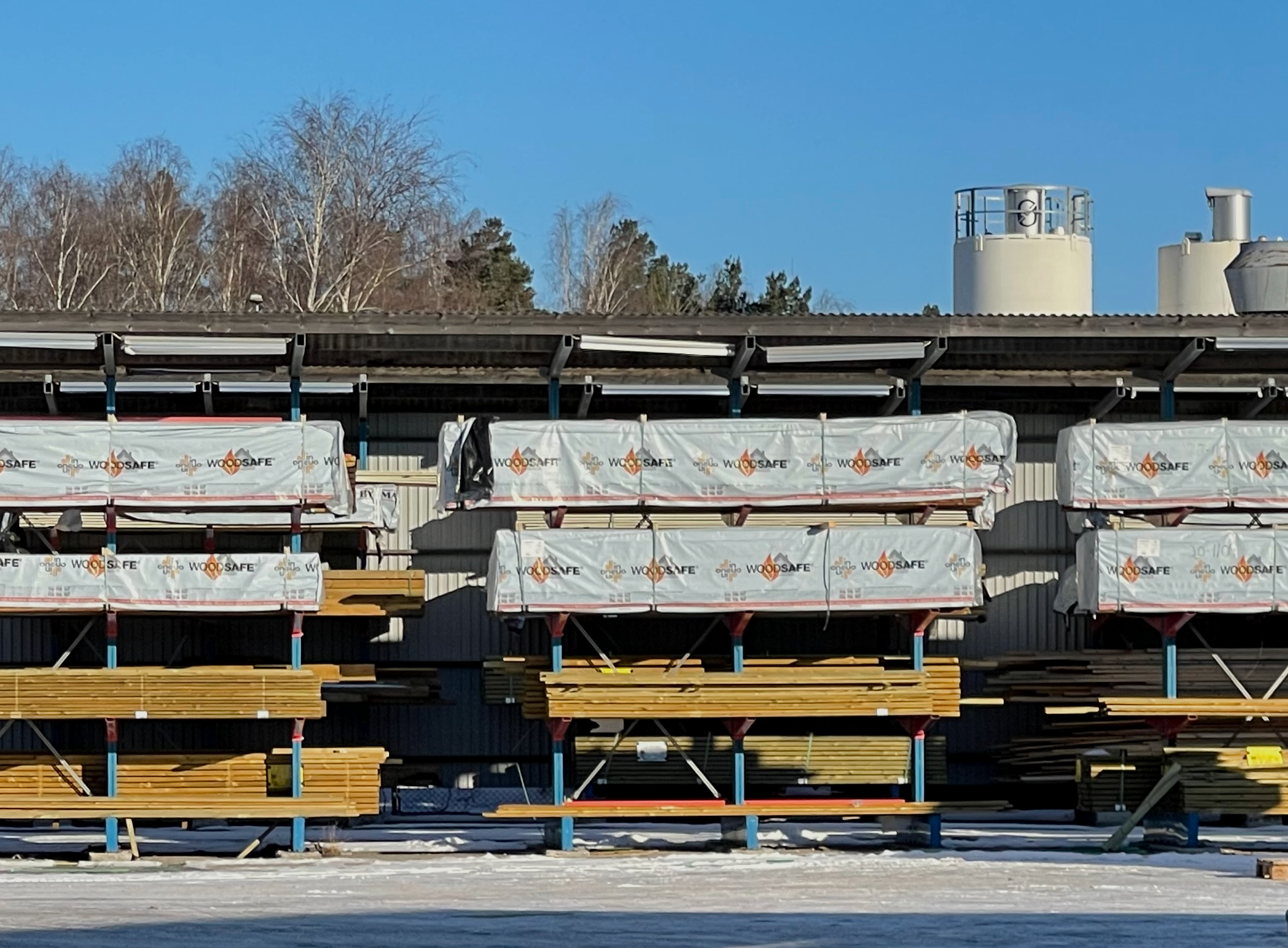
Woodsafe’s business model is simple. The contractor or material supplier sends the wood to Woodsafe for fire-retardant treatment. After treatment, the contractor or supplier arranges their own transportation to a warehouse or construction site.

This means that the contractor retains control over the entire material flow while the fire protection is carried out by a specialized provider.

The process typically consists of:

  • 1Ordering wood from a selected supplier.
  • 2Delivery to Woodsafe's impregnation plant.
  • 3Inspection upon receipt and impregnation.
  • 4Quality Control and Labeling.
  • 5Delivery back to the warehouse or directly to the job site.

wstp_pak

Handling and Assembly

Proper handling ensures verified functionality

Fire-retardant-treated wood is handled essentially the same way as other structural or exterior wood. However, to ensure that the documented fire performance remains valid in the finished building, it is important that the material be handled, processed, and installed in accordance with the project documents and Woodsafe’s instructions.

The material should be stored in a protected area until installation, and any processing should be carried out in accordance with current recommendations. In facade projects, it is also important to adhere to the tested design, where, for example, air gaps, fastenings, insulation, and panel design may be part of the verified system.

By following documented solutions and ensuring that the delivered materials conform to the design specifications, the risk of deviations, additional work, and costly measures later in the project is reduced.

Proper storage, handling, and correct installation are essential for verifying the documented fire performance even in the completed building.